On June 23, the Mi Valedor team took part in a special guided tour at the Museum of Modern Art. As they explored the galleries, the group had the opportunity to discover one of the most significant private collections of Mexican art from the twentieth century, while sharing an enriching experience of learning and community.
The visit began with an introduction to the portraits of the founders of this remarkable collection: Jack Gelman and Natasha Gelman. The museum guide explained that Jack, who was born in Russia, arrived in Mexico in 1938 and worked alongside the renowned actor Cantinflas as a producer at Posa Films. Of Cantinflas’ 50 films, Jack produced 39, forging a close and lasting friendship with the actor. Natasha, originally from what was then Czechoslovakia, arrived in Mexico after traveling through several countries. As members of Jewish families, the couple chose to settle permanently in Mexico to escape the dangers of the Second World War. Beginning in 1943, they started acquiring the extraordinary works of art that would eventually become one of the country’s most important private collections and an enduring part of Mexico’s cultural heritage.

The couple’s portraits were painted by Mexican artist Ángel Zárraga, widely recognized as the first Mexican painter to make a living from his art in Europe. The Valedores closely examined the unfinished details in Natasha‘s fingernails and the chair in which she is seated. These remain incomplete because Zárraga passed away before he was able to finish the painting, leaving much of the background untouched.

In the following galleries, the group encountered a painting that Jack Gelman had commissioned from Rufino Tamayo as a birthday gift for Cantinflas. However, the actor was offended by the portrait and refused to accept it, feeling that he had been depicted in a grotesque way—more like a clown or a criminal because of the way his eyes were painted. As a result, the work remained in the Gelman Collection. During the visit, the guide also explained that Tamayo preferred working with a restrained color palette and that gray was his favorite color.

The group then viewed an abstract portrait of Jack Gelman painted by his friend Gunther Gerzso, who also worked as a set designer at Estudios Churubusco. The piece particularly captured the group’s attention because, rather than depicting Jack’s physical appearance, it represents the defining elements of his life: a blue dome symbolizing the architecture of his native Russia, a pink band representing Natasha, and a black shadow that stands for Cantinflas.

Later in the tour, the group encountered a self-portrait by the renowned Oaxacan artist Francisco Toledo, who was born in Juchitán. As they discussed the painting, they explored its clay-like textures and earthy colors, which evoke the natural world and Mexico’s pre-Hispanic heritage. Beyond his artistic practice, the guide also highlighted Toledo‘s role as a social activist, recalling the well-known protest he led in downtown Oaxaca to prevent the opening of a fast-food restaurant.

In the section devoted to Mexico’s Golden Age of Cinema, the group viewed stills from the films La Perla, Río Escondido, and Enemigos. They reflected on how, in the aftermath of the Mexican Revolution, art and cinema sought to forge a shared national identity. Filmmakers of the period drew direct inspiration from the cotton garments and huipiles worn by Indigenous communities, as well as from the works of the Mexican muralist movement.

The iconic artist Frida Kahlo occupied a central place in the visit through her 1943 self-portraits, in which she is depicted alongside her beloved animals, including her parrot Bonito and several spider monkeys. During the tour, the group also learned that these animals symbolized the four students who faithfully attended Kahlo’s classes at the Casa Azul in Coyoacán, affectionately known as los Fridos (“the Fridos”).

To conclude this enriching experience, everyone at Mi Valedor extends their heartfelt gratitude to the leadership and staff of the Museum of Modern Art for this wonderful invitation. Opening the doors to art and culture in such an accessible way creates meaningful opportunities for members of the project to continue finding spaces for inclusion, learning, and connection throughout the city.

Mi Valedor took part in the Pride edition of the Espacio Fotográfico Bazaar, a cultural and artistic gathering held at Casa Refugio Citlaltépetl. Throughout the weekend, the team shared the space with a wide range of independent artists and visual projects, reinforcing the organization’s presence at events that celebrate diversity, foster inclusion, and strengthen community connections.

Music, art, and diversity came together on June 5 during a fundraising evening in support of Manos Amigues LGBTQ+ Community Center. The event brought together artists, community organizations, and attendees in a celebration dedicated to strengthening safe spaces and supporting grassroots initiatives that promote inclusion and provide care and support sexual and gender diversity.

Traveling is also about discovering the communities that take shape around art. On July 18, 2026, Oaxaca hosted the first edition of Trazo Town, a gathering that brought together illustration, fanzines, music, and independent design in a space where connection itself was at the heart of the experience. Mi Valedor was there to be part of it.

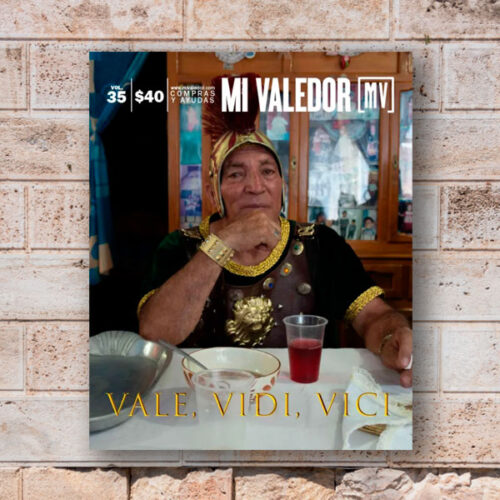
Mi Valedor took part in the Pride edition of the Espacio Fotográfico Bazaar, a cultural and artistic gathering held at Casa Refugio Citlaltépetl. Throughout the weekend, the team shared the space with a wide range of independent artists and visual projects, reinforcing the organization’s presence at events that celebrate diversity, foster inclusion, and strengthen community connections.

On June 23, the Mi Valedor team took part in a special guided tour at the Museum of Modern Art. As they explored the galleries, the group had the opportunity to discover one of the most significant private collections of Mexican art from the twentieth century, while sharing an enriching experience of learning and community.
Music, art, and diversity came together on June 5 during a fundraising evening in support of Manos Amigues LGBTQ+ Community Center. The event brought together artists, community organizations, and attendees in a celebration dedicated to strengthening safe spaces and supporting grassroots initiatives that promote inclusion and provide care and support sexual and gender diversity.